
For the water engineering aficionados, here comes a possible itinerary dedicated to that very topic: Water engineering, ancient to current. And geographically speaking, from the North of The Netherlands to the South.
The Dutch are well known for their smart innovations when it comes to water engineering. Efficient protection from floods is just one part of this fine capacity which they evolved throughout centuries, out of necessity. Less known are a series of more recent innovations aimed at restoring ecosystems and managing water.
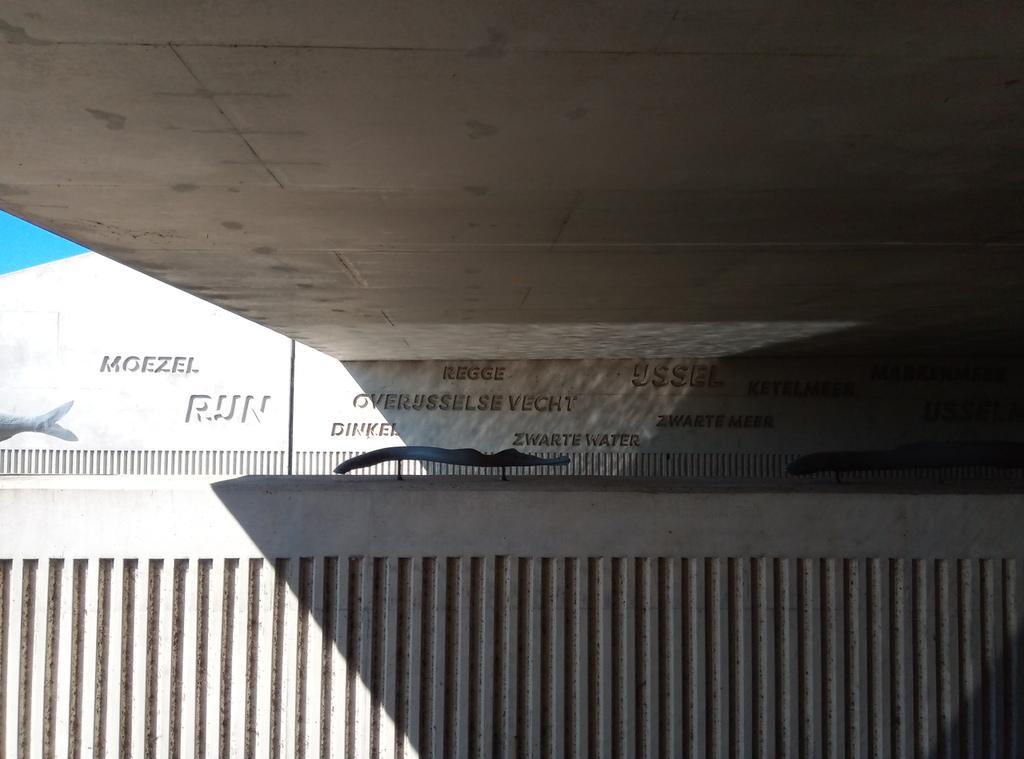
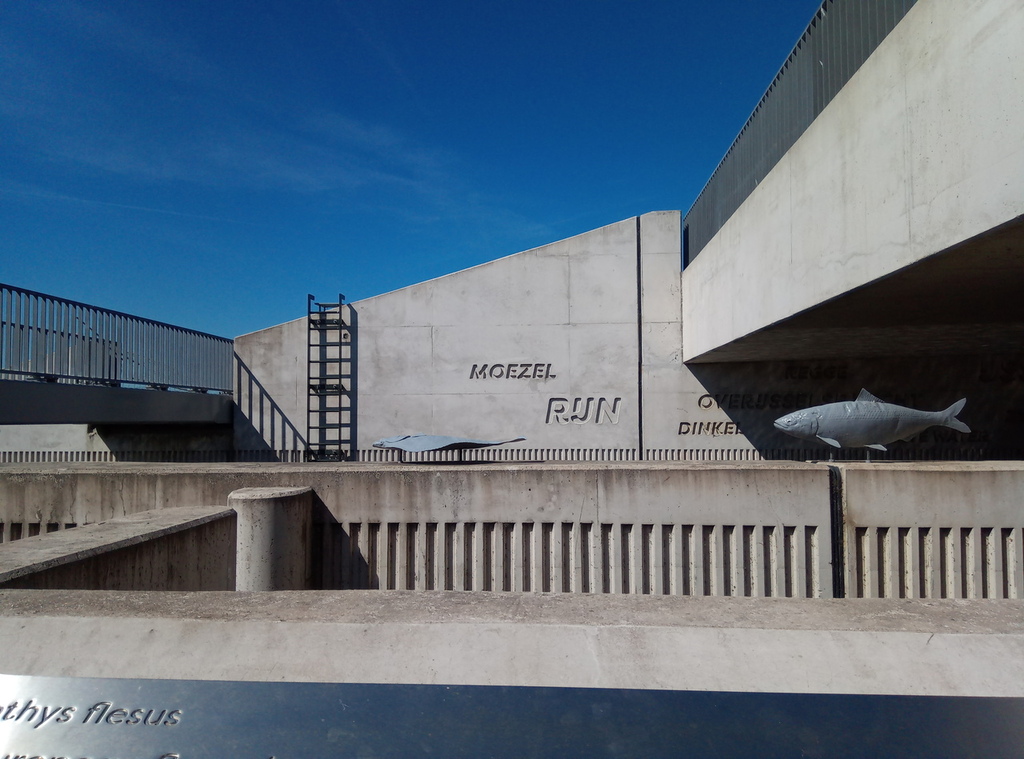
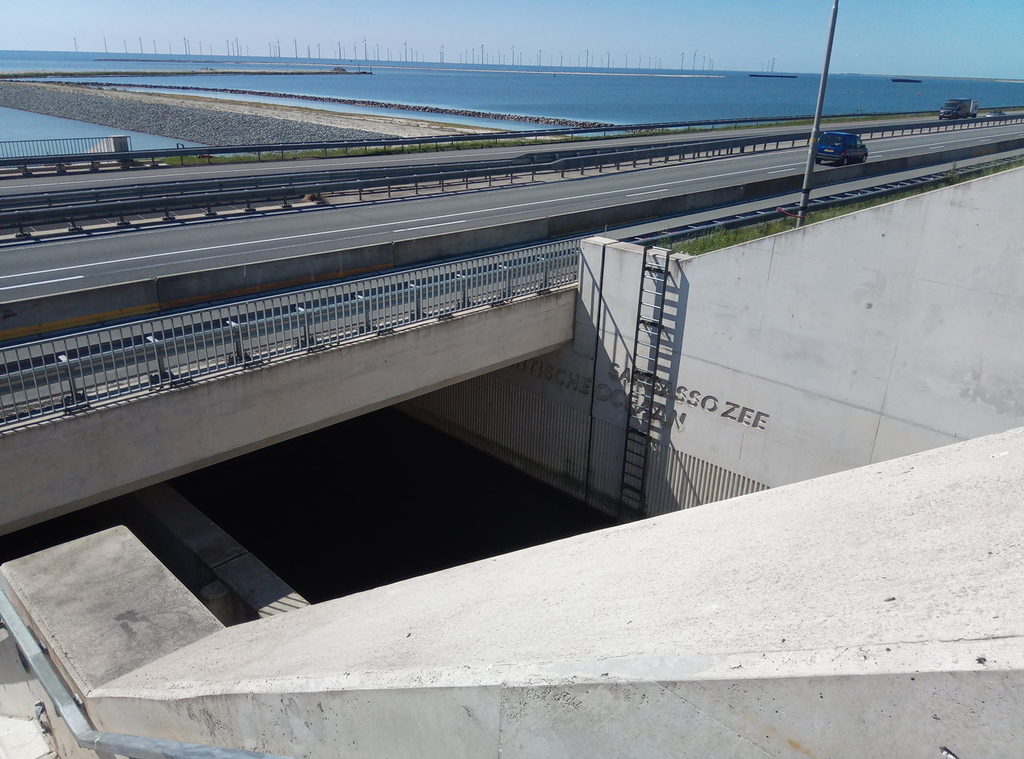
The fish migration river – is a genius solution to restore marine ecosystem balance.
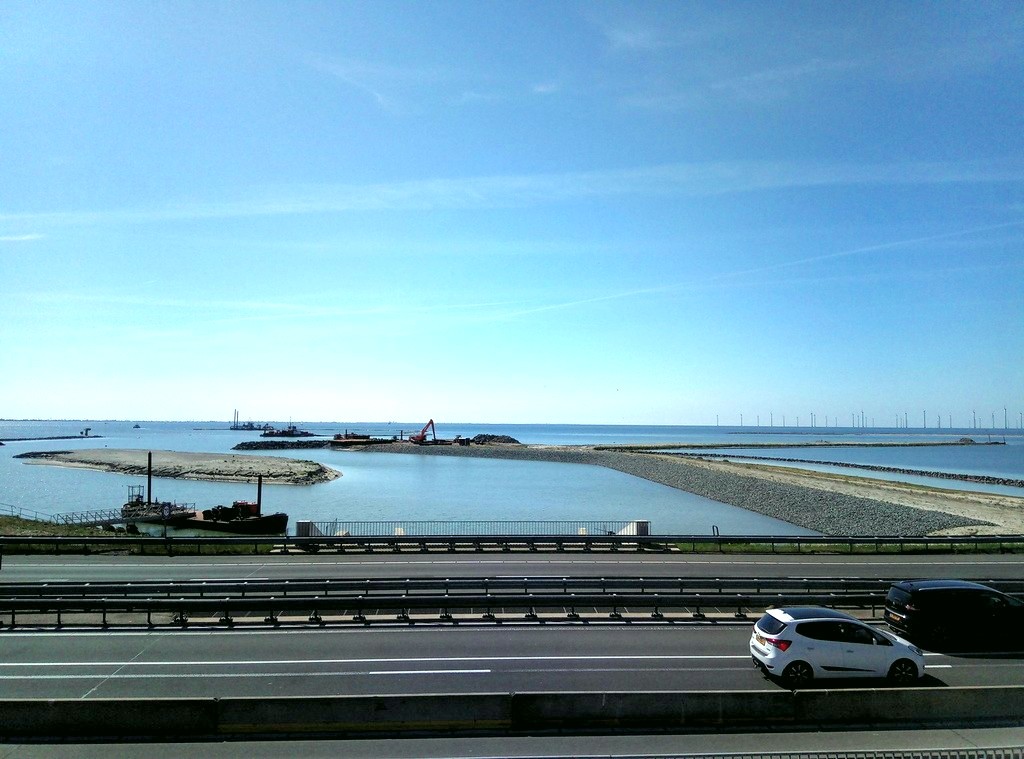
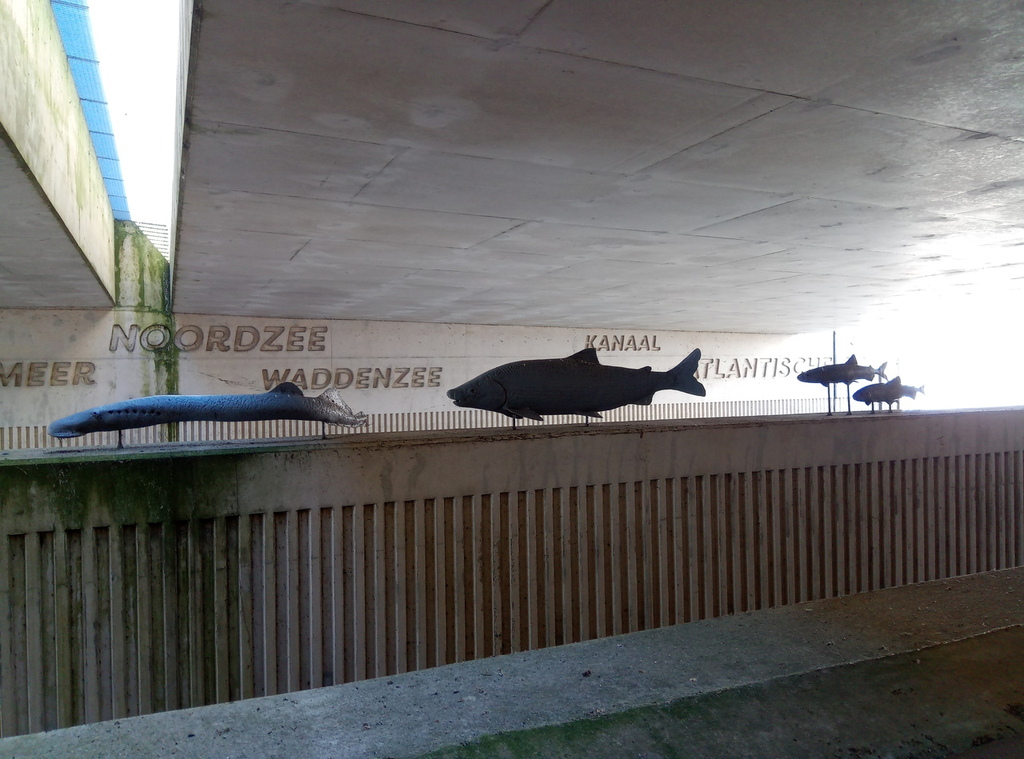
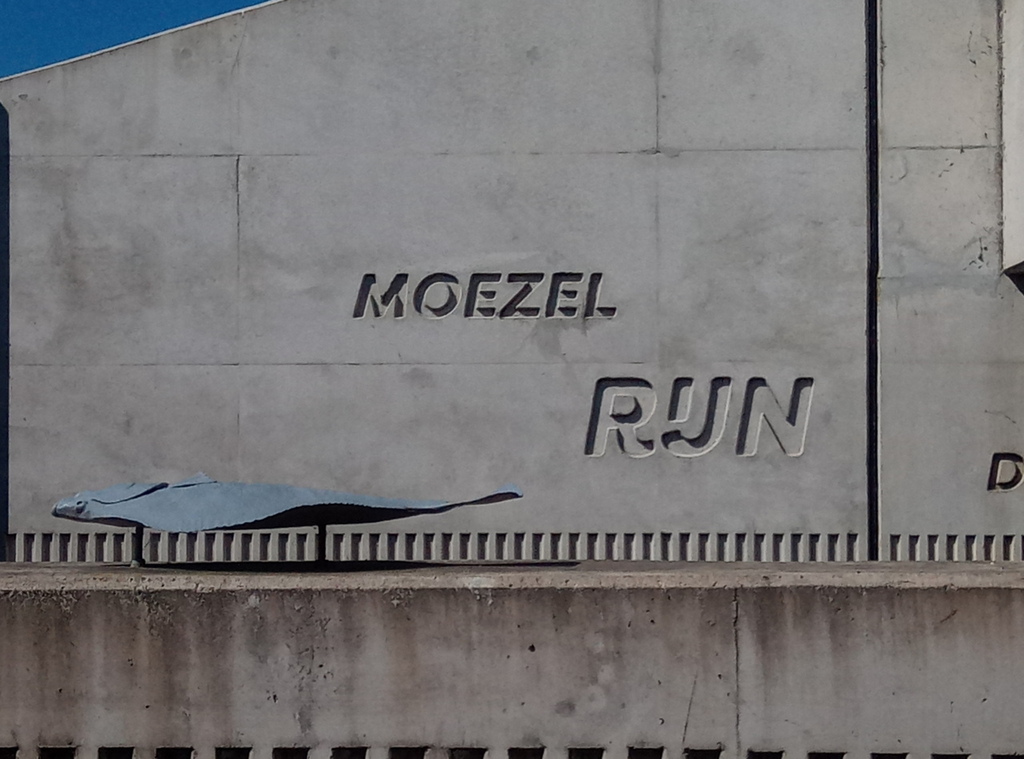
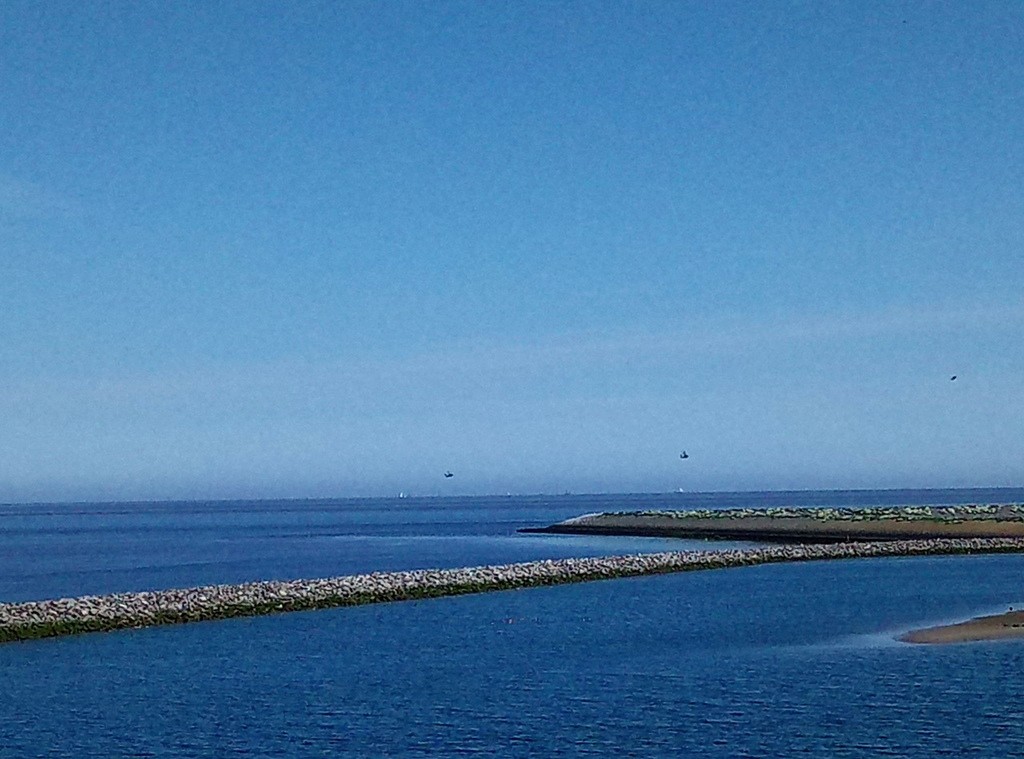
When people first heard about the project, sarcasm was quick to flare up: Wait – they built a huge dyke to protect their land from floods and now they poke a hole in it? Much smarter, of course. When the Afsluitdijk was built (1932), its long-term effect on fish populations was underestimated. In the decades following the finished works, consequences became increasingly apparent: Fish migration to and from the Wadden Sea was interrupted, fish populations like glass eel dropped significantly and the IJsselmeer, meanwhile a freshwater lake, soon showed effects of overfishing. But also here the Dutch corrected course through ingenious hydro works.
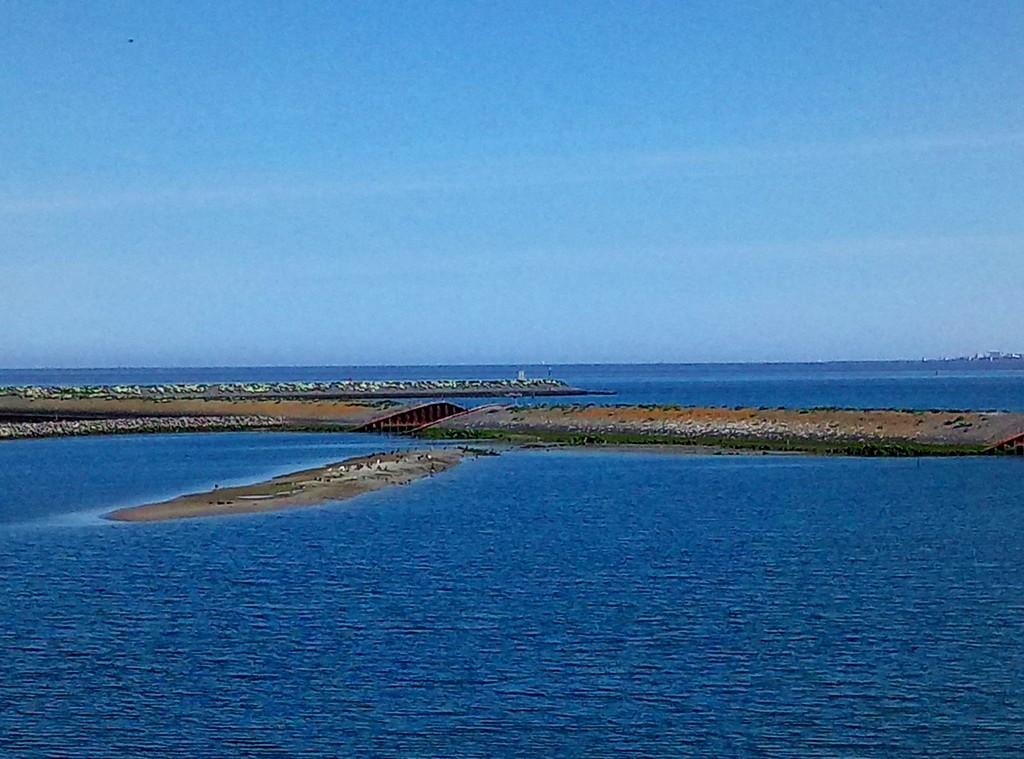
They are creating a passage for the fish to once again reach the IJseelmeer (and after that, the rivers leading into it) and the Wadden sea respectively. Aware that the fish would need a gradual transition between sea and salt waters, the are creating a so called migration river (migratierivier): A meandering zone of passage between the two water bodies. Also, part of the structure will be prepared to serve as recreational area for tourists. And of course the site will also serve for ecosystem and species monitoring. See for yourself. More details here. Adjacent to the structure is a great museum (Afsluitdijk Wadden Center) with interactive exposition elements about flood control – and a large, light-filled café with a fantastic panoramic view. Also, the province of Frisia has published a very informative “layman’s report” describing the fish migration river project in more detail: Get it here.
Location: Near Kornwerderzand.
Water pumping stations, the gemalen
Water pumping stations keep the Dutch polders dry, among other. Architectonically beautiful, they got a rich history and some of them meanwhile are part of the UNESCO world heritage, like the Woudagemaal at Lemmer. Read what Deltares has to say about the “gemalen¨, the pumping stations and their working mode here. When planning excursions in The Netherlands, factor in a visit. Locations: Lemmer, Stavoren, Witteveen & Bos, among other.
The ports of Shanghai, Rotterdam and Bangkok in a nutshell: The Waterflow Forest (Waterloopbos)
Imagine a playground for grown-up engineers. They meet in the forest and play all day long, with self-built hydro test structures, mimicking local water flow conditions at ports like Dubai, Hongkong, Rotterdam… from the 1950s to well into the 1990, the “waterflow” forest must have been one of the best working places. In Dutch it is called “Waterloopbos”. With the advent of refined computer modeling, the structures became obsolete and the forest was gradually taken over by nature. That in turn transformed the place into a most fascinating site again. A highly interesting place for a lovely, relaxed walk in the forest, through old hydro work structures. Industrial heritage at its best! Details here or here. Location: Marknesse.
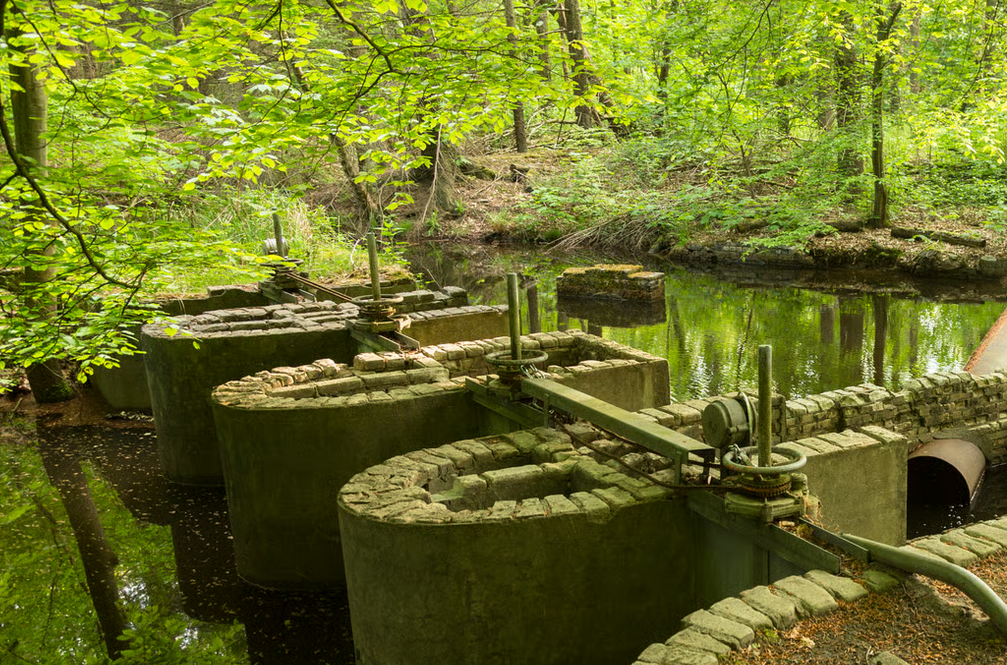
Photo credits: Natuurmonumenten, an informative site about Dutch natural heritage.
Ijmuiden sea locks
500 metres long, 70 metres wide and 18 metres deep. To be admired on site. It is said to be the largest sea lock in the world now. Building it took 5 years, it is operative since mid 2022. And it allows huge vessels to safely reach Amsterdam from the North Sea, therewith shorting the route where they’d have to deal with tidal waters. This new sea lock replaces the former Noordersluis (Northern Lock) which was built in 1929 and had saved close to 100 years already. Find more details including technical specifications on the Marine Insight website.
Flood protection, the Aikido way: Room for the river
When reading about this fascinating project, I was reminded of martial arts and a certain philosophy which states: Aggression is just one condensed form of energy. There are times and situations when aggression is perfectly appropriate and will save lives – and many others when of course it is destructive. Likewise, elements like fire and water van kill or save and sustain us, depending on how we handle and meet them. So a force itself must not be feared, but “just” understood. In itself, it is innocent and free form any “intentions”.
So it all boils down to smart handling, constant learning and adapting. Not only martial artists, but as we know people in coastal regions anywhere can tell us all about it. Relevant here since the project I’d like to tell you about is a great example of skillful dealing with a potentially devastating force.
This Dutch water management project is described already so well in the following article that I will not even try to write something better. Read here what engineers came up with to protect the people of Nijmegen from floods. Location: Nijmegen.
Also, I want to draw your attention to the great inspiring website hosting that article and many others like it.
News when you had too much news, is their slogan and the website title says it all: Reasons to be cheerful.